

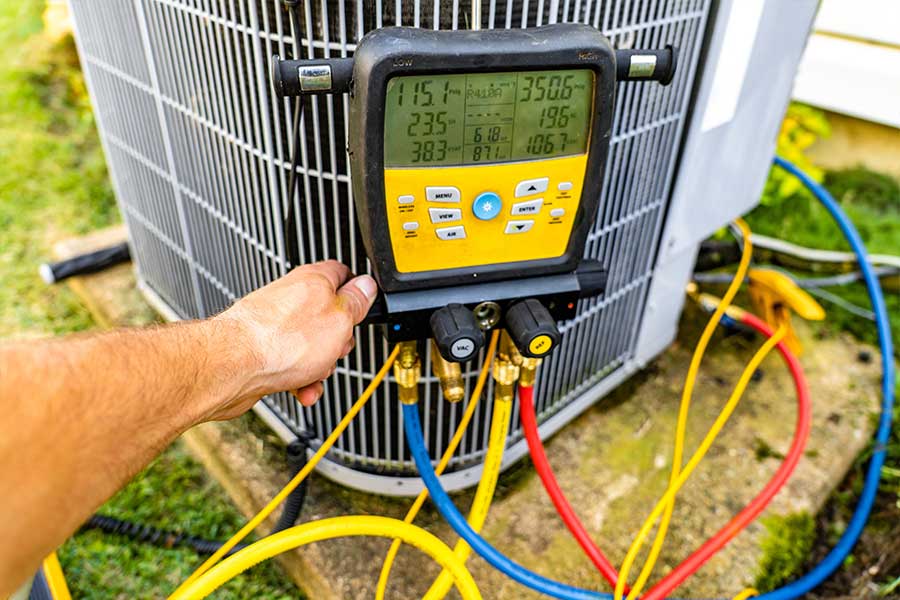
If your air conditioner is blowing warm air during the summer heat in Woodland Park, CO, it’s essential to identify the underlying issue. You might be dealing with simple user errors, like incorrect thermostat settings, or more complex problems, such as low refrigerant levels. Clogged filters and blocked ducts can also disrupt airflow. Understanding these factors can help you troubleshoot effectively. Let’s explore the common reasons behind this situation and how to address them efficiently.
Common User Errors That Cause Warm Air
Have you checked the thermostat settings? If not, that might be the culprit behind your air conditioner blowing warm air. A classic case of thermostat misconfiguration often stems from user neglect. You might’ve accidentally switched it to heat instead of cool, or perhaps the set temperature is higher than your room’s current temperature—whoops!
Sometimes people just forget to change the batteries, leaving your thermostat as functional as a chocolate teapot. Double-checking these settings can save you from sweating it out on a hot day. Remember, it’s not just the AC that needs attention; your thermostat does too! So, give it a little love, and your home could feel cooler in no time.
How to Check Your Thermostat Settings
How can you guarantee your thermostat is set correctly? Start by checking your temperature settings. Verify it’s set to “cool” and the desired temperature is lower than the current room temperature. If you’re still feeling like you’re in a sauna, it might be time to calibrate the thermostat. This involves adjusting the settings to verify accurate readings.
Next, consider the mode—some thermostats have “energy-saving” modes that might seem to save energy but can actually leave you in the heat. Finally, give it a little TLC; dust or debris can interfere with its functionality. If your thermostat’s still misbehaving, it might be time to call in the pros before you start sweating bullets!
The Impact of Dirty Air Filters on AC Performance
A clogged air filter restricts airflow, making your AC work harder and less efficiently. You might notice signs such as reduced cooling, higher energy bills, or strange noises when it’s time to replace the filter. Regular maintenance of your air filter is essential for peak AC performance.
How a Clogged Filter Restricts Airflow
When your air conditioner’s filter gets clogged, it significantly restricts airflow, which can lead to poor cooling performance. You might be wondering why your AC feels more like a toaster on a summer day. Well, dirty filters are the culprits behind those pesky airflow issues. They trap dust and debris, making it a struggle for your system to circulate cool air. This not only affects your comfort but can also cause your unit to work overtime, leading to higher energy bills and potential breakdowns. Regular filter maintenance is key here—think of it as your AC’s spa day. Clean filters keep the chill flowing and your unit happy, so check them often to avoid a sweaty situation!
Signs Your Air Filter Needs Replacing
If you notice reduced airflow or increased energy bills, it might be time to check your air filter. A dirty filter can wreak havoc on your AC’s performance, reducing air quality and making your unit work harder than a cat chasing a laser pointer. Look for signs like excessive dust buildup or a visibly discolored filter; if it looks like a science experiment, it’s time for a change. Generally, the filter lifespan is about 3 months, but it can vary depending on usage and the environment. Don’t let a clogged filter turn your cool oasis into a hot mess. A quick swap can save you money and keep your air fresh—your lungs will thank you!
The Importance of Refrigerant Levels in AC Functionality
Understanding refrigerant levels is essential for your air conditioner’s efficiency and overall performance. Low refrigerant can cause warm air to blow through your vents, which is not the invigorating breeze you signed up for! Different refrigerant types have specific pressure balances necessary for ideal system efficiency. If you’ve got a refrigerant leak, it’s like your AC’s on a diet—losing the good stuff. Regular refrigerant replacement is key to avoiding costly repairs and minimizing environmental impact. Keep an eye on those levels and embrace the importance of maintenance; it’s your best friend for troubleshooting. So, don’t let your AC turn into a warm air dispenser—stay cool and keep that refrigerant in check!
Is Your AC Compressor Letting You Down?
Low refrigerant levels often signal trouble, but your AC compressor might also be the culprit behind that warm air. If you’re feeling like your AC is slacking off, it could be due to compressor issues. This essential component pumps refrigerant through your system, and if it’s malfunctioning, you might as well be sitting in front of a fan instead.
Regular compressor maintenance is key to keeping things cool. Check for signs of wear and tear, listen for unusual noises, and make sure it’s properly lubricated. Remember, neglecting your compressor is like skipping leg day—eventually, you’ll feel the consequences! Keep an eye on it, and you’ll be back to enjoying that invigorating chill in no time.
Inspecting Ductwork for Leaks and Blockages
Inspecting your ductwork is essential to guarantee efficient cooling. Leaks can let cool air escape, reducing your system’s effectiveness. Identifying and sealing common problem areas will help restore proper airflow and improve your AC’s performance.
How Duct Leaks Let Cool Air Escape
When your air conditioner struggles to maintain a comfortable temperature, duct leaks may be the culprit, allowing cool air to escape before it reaches your living spaces. To tackle this sneaky issue, inspect your ductwork for leaks and blockages. Here’s what to look for:
- Gaps or holes in the duct insulation
- Deteriorated air sealing around joints
- Disconnected duct sections
- Dust and debris buildup
- Damaged or crushed ducts
Finding and Sealing Common Duct Problem Areas
After addressing duct leaks, the next step is to locate and seal common problem areas within your ductwork. Start by inspecting your duct insulation; if it’s looking more like a sad, soggy sponge than a protective barrier, it’s time for an upgrade. Use air sealants to close up any gaps or cracks you find—think of it as giving your ducts a cozy blanket. Don’t forget those pesky joints and connections; they often play hide-and-seek with airflow. If you find blockages, clear them out like you would that mysterious Tupperware in your fridge. Sealing these problem areas not only boosts efficiency but also keeps your cool air where it belongs—inside your home, not lost in the attic!
How Electrical Issues Affect Your AC
Electrical issues can significantly affect your air conditioner’s performance, often causing it to blow warm air instead of cool air. If your AC’s not cooling, it might be time to check for some electrifying problems:
- Wiring issues: Loose or damaged wires can disrupt the flow of power.
- Circuit breakers: Tripped breakers often signal a deeper issue that needs attention.
- Voltage fluctuations: Inconsistent power can make your unit work harder, resulting in warmer air.
- Capacitor failures: A faulty capacitor can prevent your system from starting properly.
- Electrical shorts: These can cause your AC to shut down or operate inefficiently.
Addressing these issues could save you from an uncomfortable summer and a hefty repair bill. Don’t let electrical gremlins ruin your cool!
Seasonal Maintenance Tips to Prevent Warm Air
Preventing warm air starts with a few simple seasonal habits. Stick to a maintenance schedule and schedule a professional inspection at least once a year. Trust us, it’s cheaper than buying a new unit because you ignored the warning signs. Finally, keep the outdoor unit clear of debris. That way, your AC won’t feel like it’s trapped in a jungle. Happy cooling!
Improving Your AC Efficiency
To improve your AC efficiency, start by sealing air leaks around your home. This simple step prevents cool air from escaping and reduces energy costs. Additionally, upgrading to a programmable thermostat allows you to optimize cooling based on your schedule, enhancing overall performance.
Sealing Air Leaks Around Your Home
- Caulking: Fill gaps around windows and doors.
- Weatherstripping: Use it on movable components to block drafts.
- Foam Sealant: Ideal for larger gaps, like those around pipes.
- Door Sweeps: Add them to the bottom of doors to keep air in.
- Insulation: Insulate your attic to prevent warm air from sneaking in.
Upgrading to a Programmable Thermostat
A programmable thermostat can make a real difference in how consistently your AC performs. With features like remote access, you can adjust settings from anywhere, ensuring your home’s temperature is just right when you walk in. Plus, many models boast impressive energy savings, which means more cash for that vacation you keep talking about. So, swap out that old thermostat and let technology work for you—your comfort (and wallet) will thank you!
When to Call a Professional for AC Troubleshooting
If your air conditioner starts blowing warm air despite your troubleshooting efforts, it’s time to consider bringing in a professional. Sometimes, even the best troubleshooting won’t cut it, and a professional assessment is necessary. Here’s when you should pick up that phone:
- You’ve checked the thermostat settings, and they’re correct.
- You’ve replaced or cleaned the air filter without improvement.
- Your unit makes strange noises or emits unusual smells.
- You notice ice buildup on the evaporator coils.
- Your AC cycles on and off too frequently.
Don’t sweat it out! Calling a professional can save you time, money, and maybe even your sanity—especially during a Woodland Park, CO heatwave. Sometimes, a fresh set of eyes (and expertise) is just what you need.
Conclusion
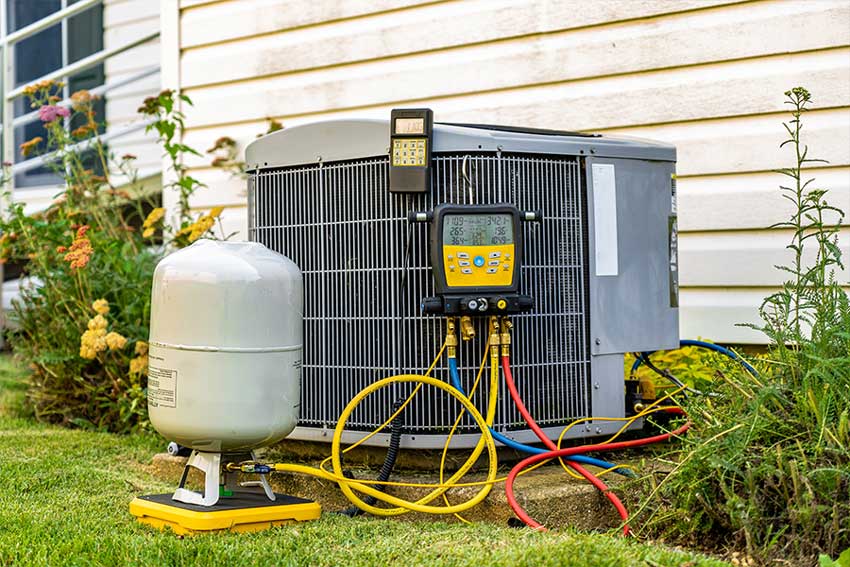
In conclusion, if your air conditioner’s blowing warm air, Woodland Park, CO homeowners should check common issues like thermostat settings, dirty filters, and refrigerant levels. Regular maintenance can prevent these problems and improve efficiency. If you’ve ruled out user errors and still face issues, electrical faults or compressor failures might be at play. Don’t hesitate to call a professional if troubleshooting doesn’t resolve the issue—keeping your AC running smoothly is essential for your comfort.