

Quality Service without unnecessary upselling.
We respect your decisions by giving you clear options.
Local Experience serving Teller & Park County mountain homes
A lot of Cripple Creek homes were built long before anyone pictured a forced-air furnace in the basement. After the fires of 1896, much of the town was rebuilt in brick and wood, and many of those houses are still standing today. Over the decades, furnaces and ductwork were added wherever they would fit. That history shows up every time we open a basement door here.
Woodland Plumbing, Heating & Air Conditioning repairs furnaces in Cripple Creek’s historic homes, newer builds, and everything in between. Our team has more than 20 years of experience in Teller County, and we know how much a working furnace matters at nearly 9,500 feet. We diagnose the problem carefully, explain it clearly, and give you choices at a fair price.
Our Services

Contact Us
- This site is protected by reCAPTCHA


Why Homeowners in Cripple Creek, CO Trust Us

Kevin W.
James D.
Smart, efficient, professional, courteous, on time and really nice
We will never use anyone but Woodland Plumbing Heating & AC
Tim O.
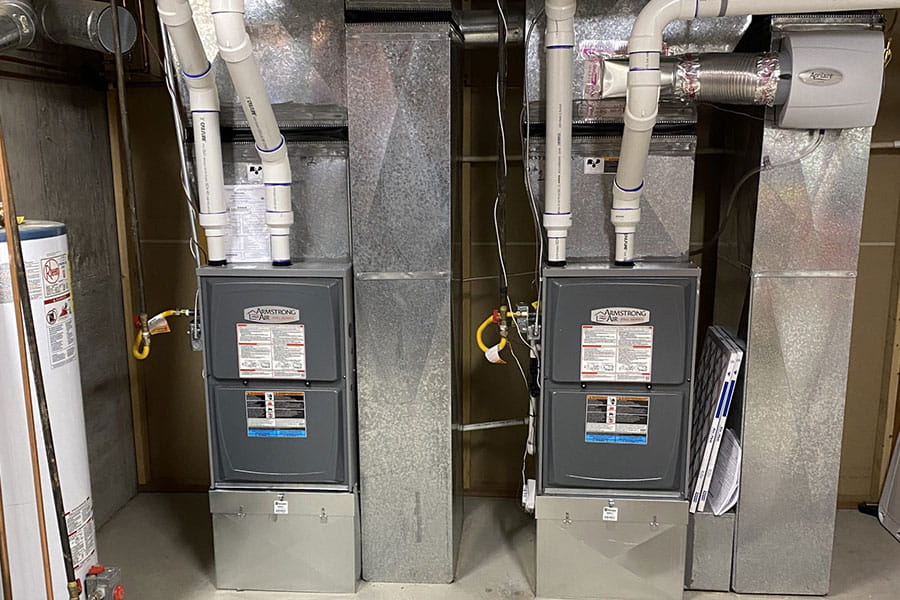
Clues That Your Cripple Creek Furnace Needs Attention
In an older home, some furnace trouble hides behind quirks you may have gotten used to. These signs are worth a closer look.
- Upstairs hot, downstairs cold
- Furnace running nonstop
- Rattling or whistling registers
- Soot near the furnace
- Dust building up quickly
- Drafty rooms despite heat
- Water pooling near the unit
Any one of these can point to a worn part, an airflow problem, or a venting issue. Our technicians can tell you which one you are dealing with and what it will take to fix it.
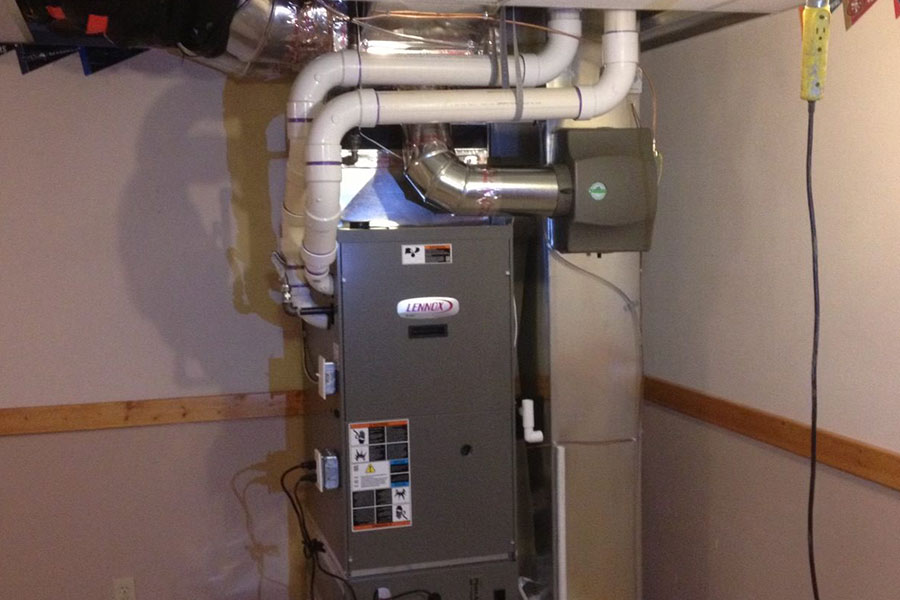
Why Heating Systems Work So Hard in Cripple Creek
Start with the house itself. Many historic Cripple Creek homes have thin walls, original windows, and little or no insulation in the attic. Heat escapes quickly, so the furnace runs longer and more often than it would in a tighter, newer home. That extra run time wears out blower motors, igniters, and switches sooner.
Ductwork is often the next weak spot. When furnaces were added to older homes, ducts were squeezed into tight basements, chases, and closets. Some runs are too small or too long, and others leak at old joints. The result is uneven heat, noisy registers, and a furnace that overheats and shuts itself off to stay safe.
Venting deserves special attention here too. Some older furnaces still vent into original masonry chimneys, which can crack, shift, or collect debris over the years. A poor draft can trip safety switches or let exhaust linger where it should not. Add a heating season that can run from September into late spring, and it is easy to see why furnaces in this town need regular care.
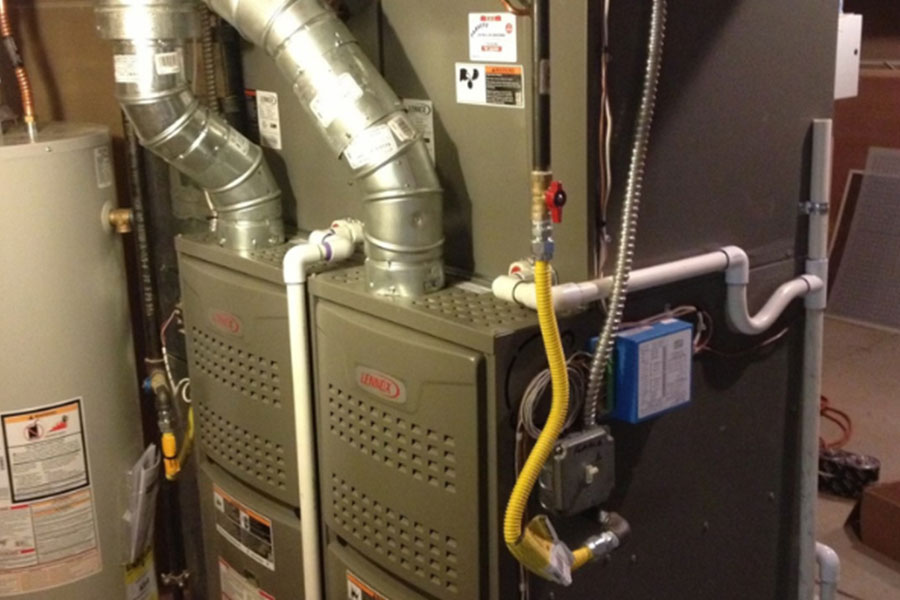
Careful Furnace Repair for Every Kind of Home
Working in an older home takes patience, and our technicians plan for it. We are used to narrow basement stairs, stone foundations, and equipment tucked into tight corners. We protect your floors and walls, keep the work area clean, and take the time to do the job right.
Our diagnosis looks beyond the furnace cabinet. We check burner operation and altitude setup, test safety controls, and look at how air moves through the ducts. We also inspect the venting path from the furnace to the outside, including any chimney connection. That full picture helps us fix the actual problem rather than just the symptom.
Once we know what is going on, we explain your options and let you decide. Sometimes a single part gets you back to steady heat. Other times, sealing a leaky duct or correcting a vent issue makes a bigger difference. If an aging furnace is no longer worth repairing, we will say so honestly and walk you through what replacement would involve.

Restoring Heat in a Historic Cripple Creek Home
Tom called us in early November from his two-story home on the hill above Bennett Avenue. His furnace would start, run for a few minutes, and shut off again, leaving the upstairs bedrooms chilly every night. He had lived with the home’s drafty spots for years, but this was new.
Our technician found the furnace in a stone-walled basement with a filter that had not been changed in a long while. The clogged filter was choking off airflow, causing the furnace to overheat and trip its safety limit. The flame sensor was also coated with buildup, which made the burners drop out early. He replaced the filter, cleaned the sensor, and checked the vent connection to make sure it was drawing properly.
With air moving again, the furnace ran full cycles and the upstairs warmed up within the hour. Before he left, the technician showed Tom how to check and change the filter himself. He also pointed out a loose duct joint in the basement that Tom could have sealed later if he chose.
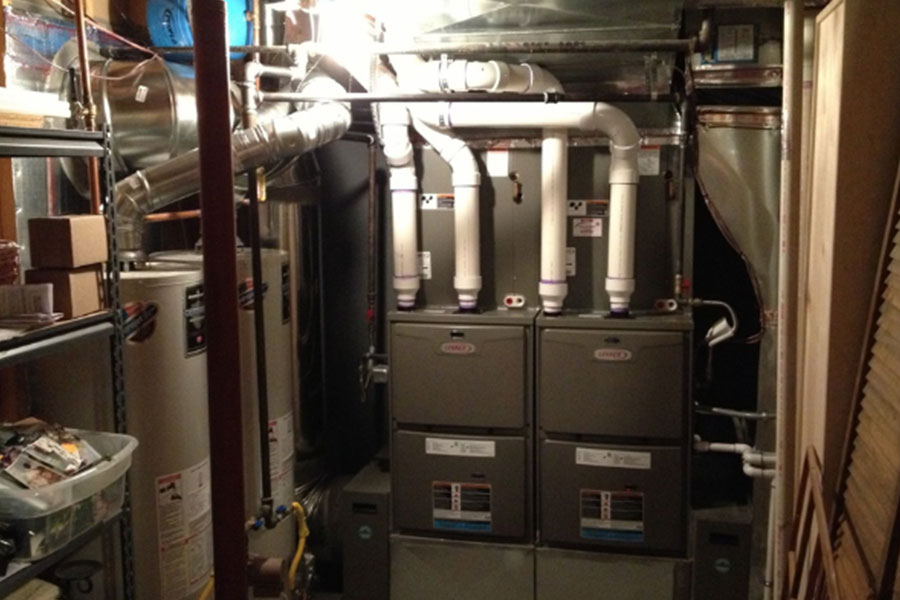
What Sets Our Team Apart in Cripple Creek
Older homes and high-elevation winters call for a contractor who knows both. Here is why Cripple Creek homeowners choose us.
- Experience with historic homes
- More than 20 years local
- Quality work, fair price
- Clear options, never pushy
- Licensed and fully insured
- BBB accredited company
- Best of Teller County winner
- Rated 4.8 stars by customers
We are a local company with deep roots in Teller County, and Cripple Creek is part of the community we serve every day. When your furnace needs repair, we are ready to help.
Frequently Asked Questions
Can you repair furnaces in historic Cripple Creek homes?
Why is my upstairs warmer than my downstairs?
Heat rises, and older homes often have ductwork that was never sized for every floor. Leaky or undersized ducts can make the problem worse, and we can help pinpoint the cause.
Is it safe to vent my furnace into an old chimney?
It depends on the chimney’s condition and whether it suits your furnace. Cracks, debris, or a poor draft can cause problems, so we inspect the venting on every repair.
Why does my furnace run so much in the winter?
At nearly 9,500 feet, cold nights are long and older homes lose heat quickly. A dirty filter, duct leaks, or worn parts can also add run time, and we can check each one.
How often should my furnace be checked?
Once a year before the heating season is a good rule. In older homes, a yearly visit helps catch venting and airflow issues before they turn into breakdowns.