

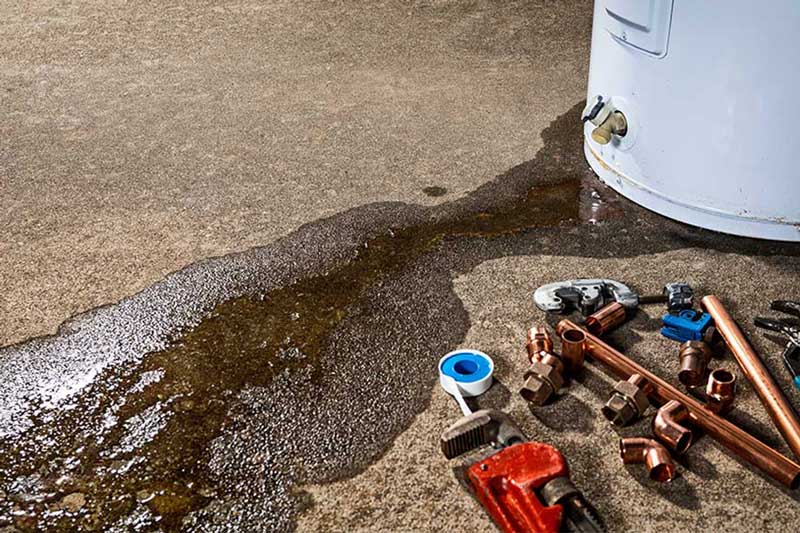
If your water heater’s leaking in your Woodland Park, CO home, it’s essential to identify the source quickly to prevent further damage. Leaks can stem from various issues, including corrosion, faulty connections, or a malfunctioning temperature-and-pressure relief valve. Understanding these factors can help you address the problem effectively. But before you jump to conclusions, consider how age and sediment build-up might be influencing your unit’s performance. Let’s explore these causes in detail.
How to Identify the Source of a Water Heater Leak
Have you noticed water pooling around your water heater? Don’t panic; it’s time for some leak detection! First, check the connections and fittings—those sneaky screws might need a little tightening. Next, inspect the tank itself for rust or corrosion; it’s like a bad haircut, not a good look. If you’ve got a temperature and pressure relief valve, make sure it’s functioning properly—think of it as the water heater’s safety valve. Use a flashlight to spot any small cracks or holes. Once you’ve pinpointed the source, consider your repair solutions. Whether it’s a quick fix or you need a plumber, tackling the issue early can save you from a soggy disaster later. Happy hunting!
Common Causes of Water Heater Leaks
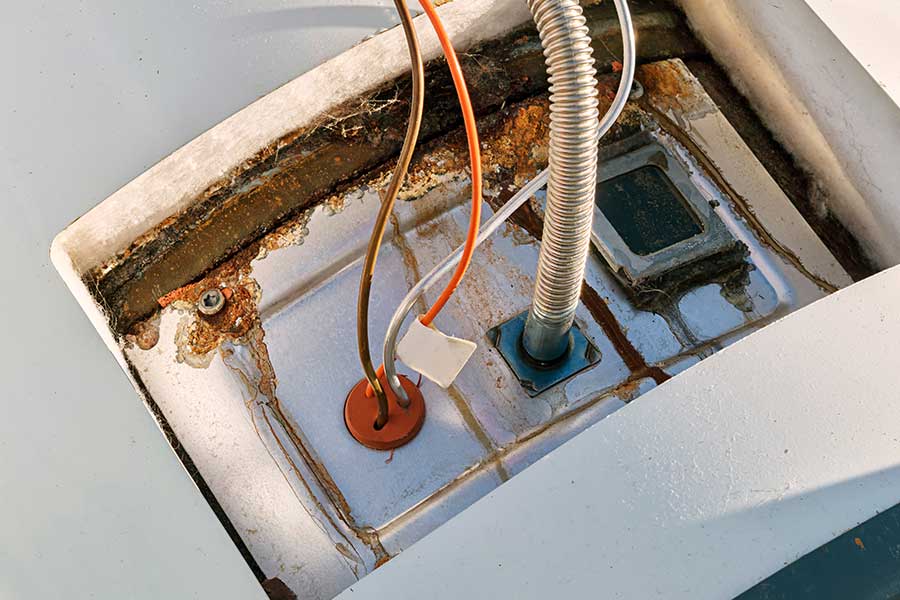
Although water heaters are designed for durability, several issues can lead to leaks. One common culprit is rust corrosion. Over time, minerals in the water can eat away at the tank, turning it into Swiss cheese—minus the charm. Another frequent offender is faulty installation. If the heater isn’t set up correctly, connections can loosen, leading to unwanted drips. You might also find leaks at the temperature- and pressure-relief valve; it’s like your water heater’s way of saying, “I’m too hot to handle!” Finally, sediment buildup can cause overheating and subsequent leaks. So, keep an eye out for these issues, and you might just save your floors from a surprise swim!
Immediate Steps for a Leaking Water Heater
When you notice a leaking water heater, the first step is to shut off the water and power supplies immediately. This action prevents further damage and reduces safety risks. Next, you’ll want to drain the tank to minimize water loss and protect your home.
Shutting Off the Power and Water Supply
As soon as you notice water pooling around your heater, it’s essential to act quickly by shutting off both the power and water supply. First, locate the power switch—think of it as your heater’s dramatic exit. Flip that switch to initiate a power shutdown, preventing any more electricity from being wasted on a leaky party. Next, find the water supply valve, usually at the top or bottom of the tank. Turn it clockwise until it’s snug; this stops the water from flowing like an overzealous fountain. Remember, a little prevention goes a long way! By cutting off both sources, you’re taking the first step to avoid a soggy disaster and keeping your home dry and happy.
Draining the Tank to Prevent Further Damage
Once you’ve shut off the power and water supply, it’s essential to drain the tank to prevent further damage. Start by connecting a garden hose to the drain valve at the bottom of the tank—yes, that little spout that looks like it’s begging for attention. Make sure the other end of the hose is directed to a floor drain or outside, unless you want to practice your indoor waterfall skills. Open the valve and let gravity do its thing; just don’t forget to open a hot-water faucet in your home to let air in. Regular tank maintenance isn’t just for show—it’s a key player in leak prevention. So, drain that tank and keep your water heater happy!
How Temperature and Pressure Relief Valves Contribute to Leaks
Temperature and pressure relief valves (TPR valves) play a critical role in preventing overheating and excessive pressure in water heaters, but they can also cause leaks if not functioning properly. The T&P valve’s function is to release steam and water when pressure builds up, keeping things safe and sound. However, if your valve gets stuck, it might decide to trigger a water show you didn’t sign up for. Corrosion or sediment buildup can also cause leaks, turning your water heater into a sneaky fountain. Regular maintenance is key to leak prevention. So, keep an eye on that TPR valve; otherwise, you might end up with a soggy surprise instead of hot water bliss!
Diagnosing Leaks From Connections and Fittings
When diagnosing leaks from connections and fittings, it’s essential to inspect all visible joints for signs of moisture or corrosion. Look closely at those sneaky spots where pipes meet; they can be a hotspot for fitting corrosion and connection wear. If you spot a puddle, don’t ignore it—your water heater isn’t crying for help; it’s just trying to tell you something’s up! Gently tighten loose fittings, but don’t overdo it; you’re not trying to win a wrestling match! If the leak persists, consider replacing worn-out connections. Regular checks can save you from larger headaches (and water bills) down the road. Remember, a little maintenance goes a long way in keeping your water heater happy!
Signs of a Faulty Water Heater Drain Valve
If you notice water pooling near the base of your water heater, it could indicate a faulty drain valve. Additionally, a drain valve that doesn’t fully close can cause persistent leaks and water loss. Addressing these signs promptly can prevent further damage to your system.
Water Pooling Near the Base of the Tank
Water pooling near the base of your water heater often indicates a malfunctioning drain valve. Think of it as your tank’s way of saying, “Help! I’m leaking!” Conduct some leak detection to pinpoint the issue. If you notice water puddles forming, it’s time to investigate. A faulty drain valve can let water escape, leading to a mini indoor lake, and we all know that’s not a fun surprise.
You’ve got a couple of repair options: tightening the valve or replacing it altogether. If you’re not handy, don’t hesitate to call a pro. Remember, it’s always better to fix a small problem than to face a swimming pool in your basement!
A Drain Valve That Won’t Fully Close
A drain valve that won’t fully close can lead to persistent leaks, causing unnecessary water loss and potential damage. If you notice water pooling near the valve, it’s time for some serious leak detection. These pesky drain valve issues often stem from sediment buildup or wear and tear. Just like that one friend who can’t stop talking, a faulty valve just keeps on leaking! Check the valve for cracks or corrosion; you might need to replace it to stop the drip-drip-drip. Don’t let a small issue escalate into a major repair. Remember, a functioning drain valve is your water heater’s best defense against leaks, and your home’s walls will thank you for it!
How Age Impacts Water Heaters
As your water heater ages, its efficiency and reliability often decline, leading to potential leaks and breakdowns. The typical water heater lifespan is around 10 to 15 years, but aging effects can turn your trusty appliance into a ticking time bomb.
- You might find yourself taking cold showers—talk about a wake-up call!
- Your utility bills could skyrocket, leaving you questioning your life choices.
- You could wake up to a mini indoor swimming pool, which isn’t as fun as it sounds.
- And let’s not forget the stress of finding a quick fix!
Regular maintenance can help mitigate these issues, but eventually, age catches up. It’s best to keep an eye on your water heater’s golden years!
The Role of Sediment Build-Up in Leaks
With age, sediment build-up becomes a significant factor in water heater performance and leaks. You might think of sediment accumulation as the unwanted guest who overstays their welcome, cluttering your tank and causing chaos. As this sediment settles, it can lead to tank corrosion, creating weak spots that eventually leak—like trying to fill a bucket with a hole in it. The more sediment you have, the harder your heater has to work, leading to inefficiencies and potential breakdowns. And while you might enjoy a good sediment story, your water heater definitely doesn’t! Regular flushing can help prevent this buildup, keeping your water heater happy and leak-free, so you don’t have to deal with a soggy mess on the floor.
Preventative Maintenance Tips for Water Heaters
To keep your water heater running efficiently, schedule an annual flush and inspection to remove sediment buildup. Additionally, test the temperature and pressure (T&P) valve regularly to guarantee it’s functioning properly. These simple steps can greatly extend the life of your unit and prevent leaks.
Scheduling an Annual Flush and Inspection
An annual flush and inspection is one of the simplest ways to keep your water heater running smoothly and leak-free. Flushing the tank clears out mineral deposits and sediment that build up over time, while an inspection catches small issues before they turn into bigger, costlier repairs. Whether you handle it yourself or bring in a professional, here’s what the process should cover:
- Detect sediment buildup (it’s more common than you think!)
- Check for rust (your heater shouldn’t look like a relic)
- Inspect connections (loose parts lead to leaks!)
- Review pressure settings (because nobody likes a pressure cooker!)
Testing the T&P Valve Regularly
Regularly testing the temperature and pressure (T&P) valve is essential for maintaining your water heater’s safety and efficiency. Think of it as a check-up for your water heater, minus the awkward small talk. By performing T&P valve maintenance every few months, you guarantee that excess pressure or temperature won’t turn your water heater into a geyser. Simply lift the lever on the valve; if water flows out, you’re golden. If not, it’s time to replace that valve faster than you can say “hot water disaster.” Neglecting regular testing might lead to leaks—or worse, water where it shouldn’t be. So, keep that valve in check, and your water heater will thank you by not soaking your floors!
When to Call a Professional for Water Heater Repairs
When should you consider calling a professional for water heater repairs? If you notice persistent leaks or your water heater isn’t heating properly, it’s time to pick up the phone. Ignoring these signs can lead to bigger problems and an early end to your water heater’s lifespan. Here are some red flags that scream for professional help:
- Your water looks like a swamp monster’s bathwater.
- You hear strange gurgling noises that make you question your sanity.
- You spot puddles forming that aren’t from a leaky faucet.
- You’ve mastered the art of DIY, but this one’s over your head.
For effective leak detection and to avoid a flood of tears later, don’t hesitate. Call in the pros!
Conclusion
In summary, addressing a leaking water heater promptly is essential to prevent further damage. By identifying the source of the leak—whether it’s due to rust, faulty connections, or sediment buildup—you can take effective action for your home in Woodland Park, CO. Regular maintenance and inspections are key to extending your water heater’s lifespan and ensuring its efficiency. If you’re unsure or the problem persists, don’t hesitate to call a professional for repairs to safeguard your home and avoid costly issues down the line.